Alanya Archaeological Museum — 2,000 Years of History Under One Roof
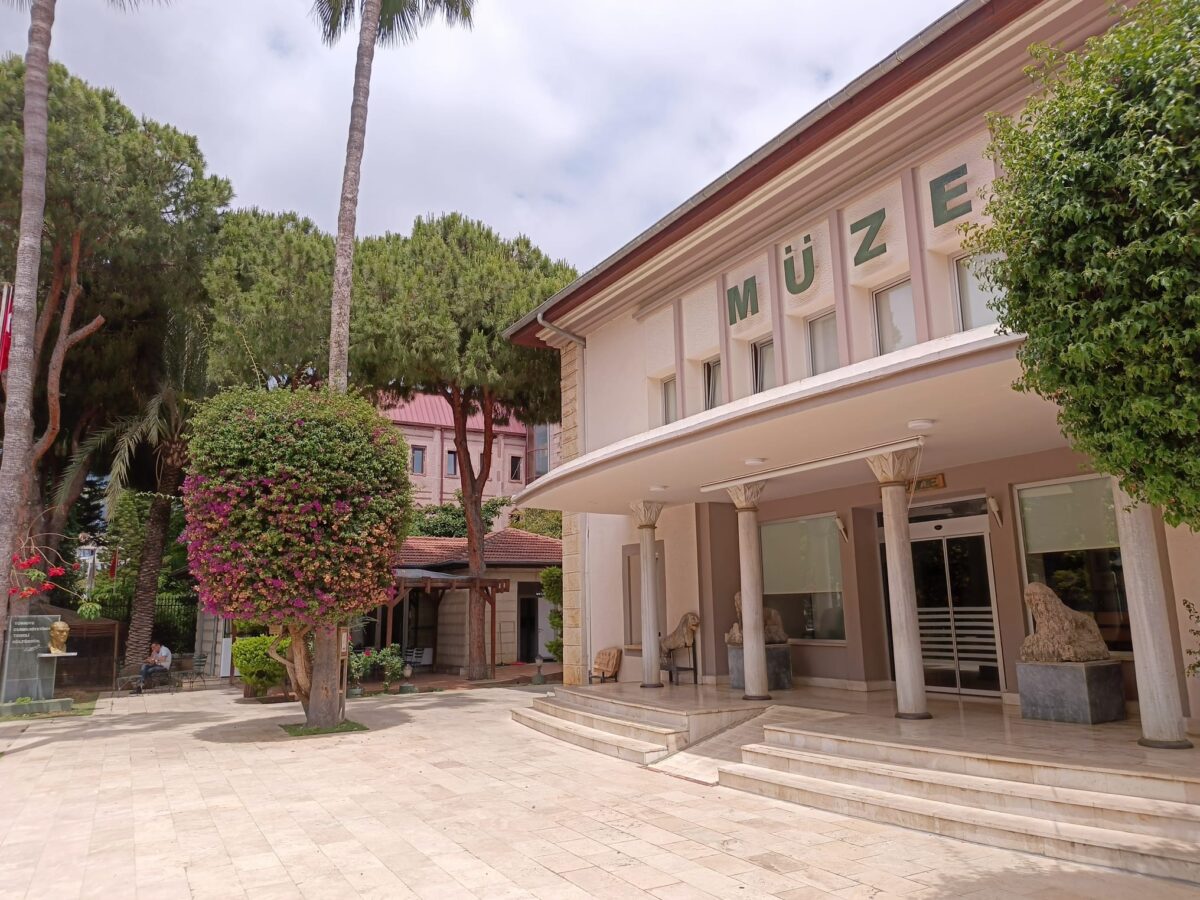
You’ve seen the castle on the hill and the Red Tower on the harbour. Now it’s time to understand the full story — and that’s exactly what the Alanya Archaeological Museum does, brilliantly and accessibly, in a cool and unhurried space just a short walk from Cleopatra Beach. Opened in 1967, the museum showcases the rich historical heritage of the region Antalya across a span that stretches from the Bronze Age all the way through to the Ottoman period — coins, sculptures, jewellery, ceramics, weapons and more, each one a small piece of the remarkably layered puzzle that is Alanya’s past. If the castle gives you the dramatic overview, the museum fills in all the detail.
What’s Inside — The Highlights You Won’t Want to Miss
The Star of the Show: The Heracles Statue
Every great museum has its showstopper, and Alanya’s is a genuinely impressive one. The museum’s most eye-catching piece is a bronze-cast Heracles statue from the 2nd century AD , standing 52 centimetres tall and remarkable for the extraordinary quality of its craftsmanship. It was found during excavations in the region and remains one of the finest examples of Roman bronze work on the entire Turkish Mediterranean coast. Allow yourself a proper moment with it — it rewards close attention.
The Archaeological Galleries
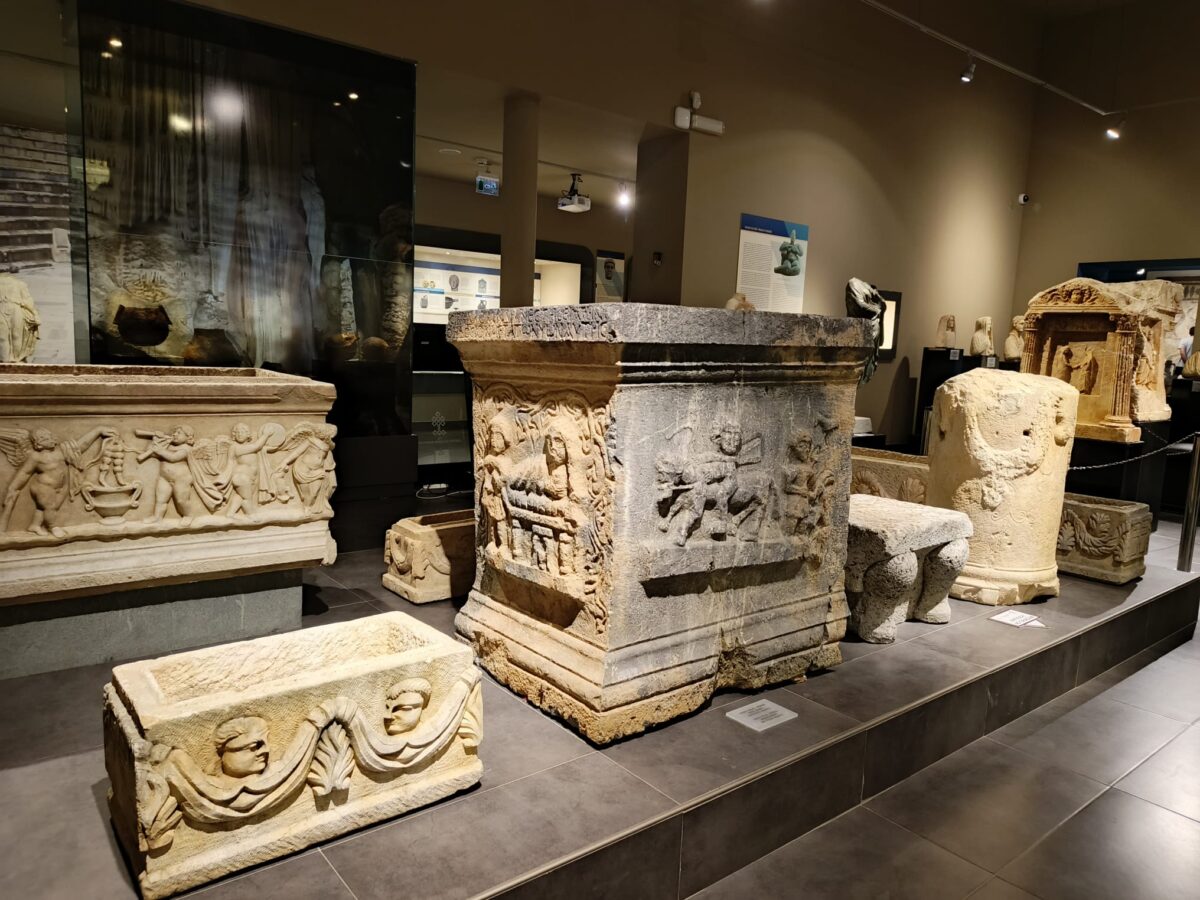
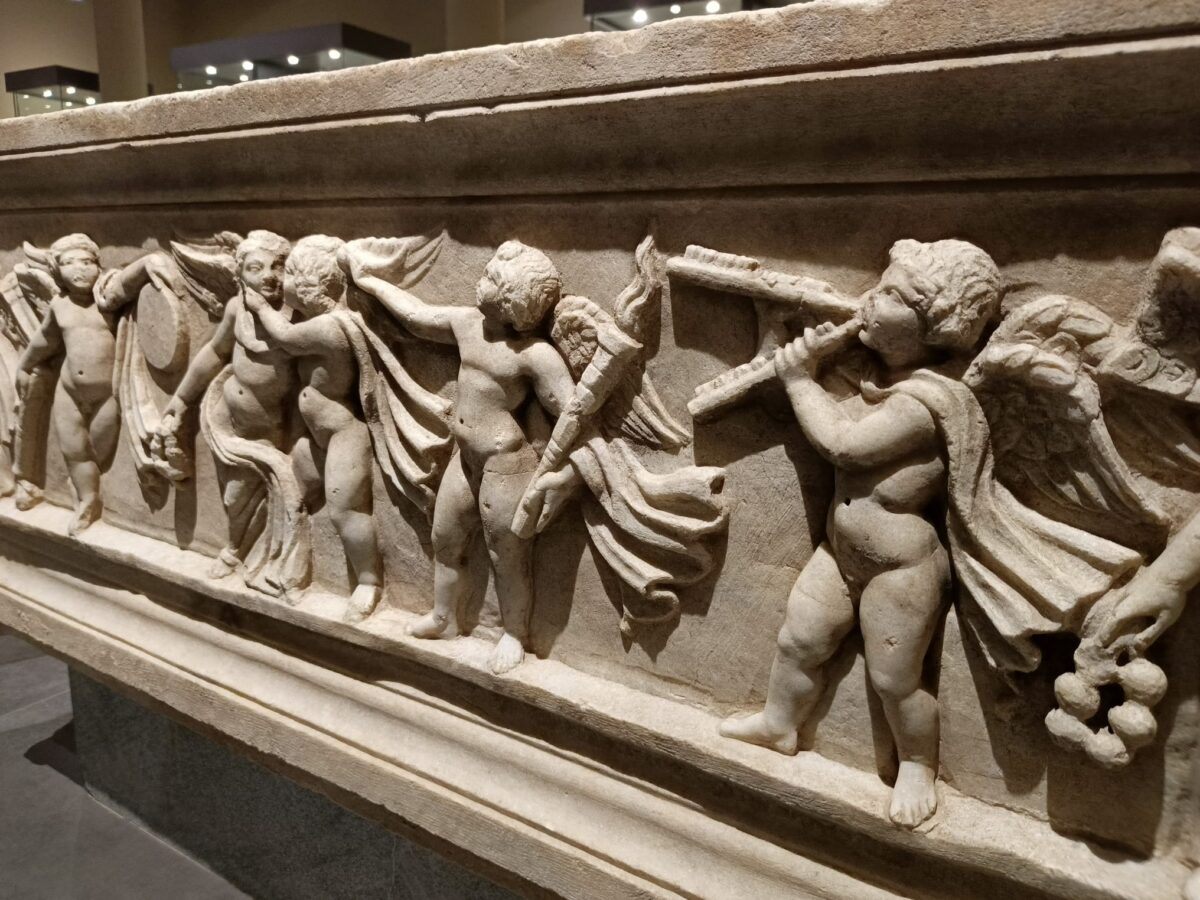
The main halls take you on a chronological journey through the civilisations that called this region home. Highlights include Roman-period sarcophagi in the open-air section, a colourful and fascinating collection of ancient glassware, and a display of ancient coins that traces the region’s economic history across the centuries. The Hellenistic, Roman, Byzantine, Seljuk and Ottoman periods each have their own dedicated display space, making it easy to follow the thread of history from one era to the next.
The Open-Air Section
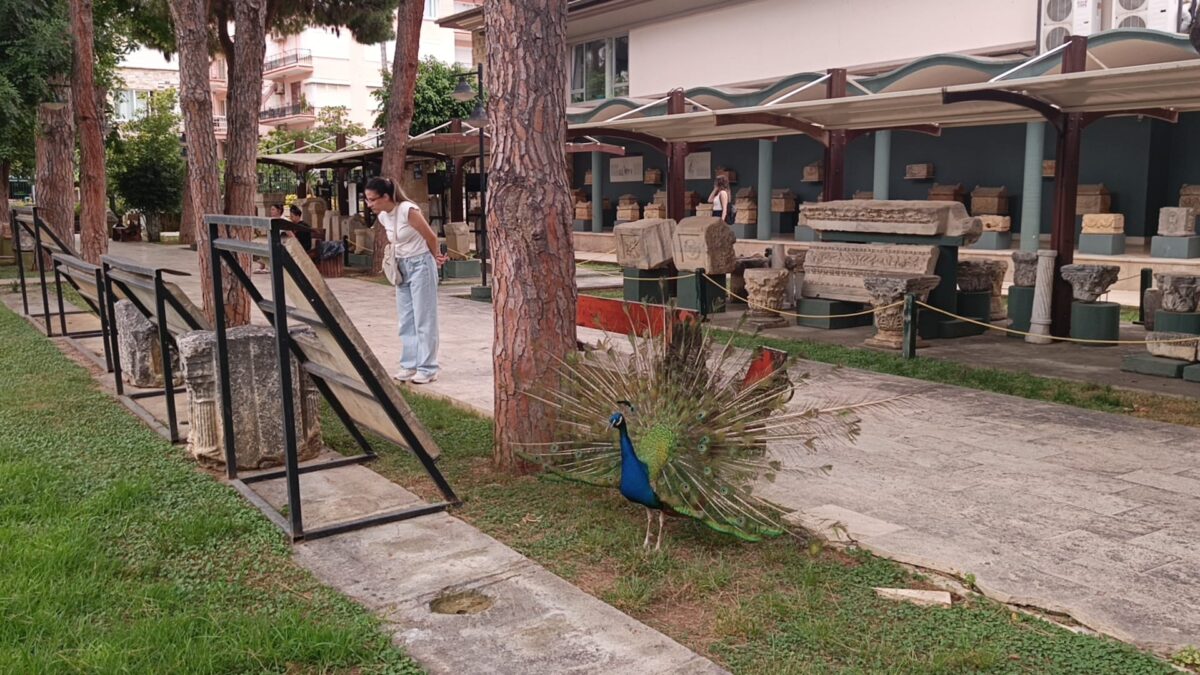
Don’t miss the museum’s outdoor area, where larger artefacts — including several beautifully preserved Roman sarcophagi — are displayed among the garden greenery. It’s a lovely spot to slow down, and the combination of ancient stonework and Mediterranean plants makes for some genuinely striking photographs.
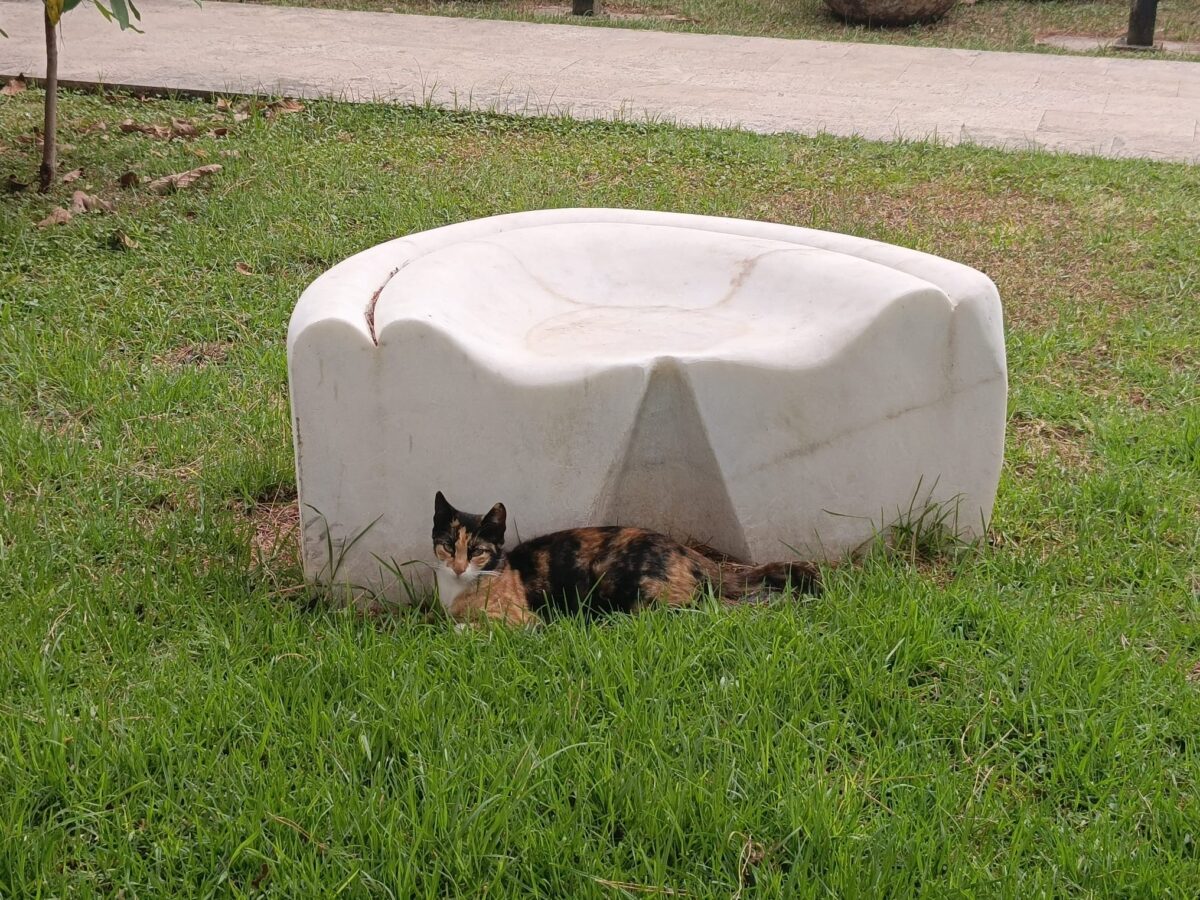
The museum is a quiet peaceful place in the middle of the touristic center. Great place for relax, slow pace and chill out thanks to its garden. You will be amazed about how much remnants from the Roman empire you can find this far from Rome 🙂
Practical Information
Opening Hours
- Daily: 08:30 – 22:00
- Last admission: 21:30
- Open every day of the week, year-round
Entrance Fees
- General admission: 215 TL
- Children up to 8 Free
- MüzeKart / Museum Card holders: free entry — if you’re planning to visit multiple museums and archaeological sites during your stay in Turkey, the MüzeKart is excellent value and pays for itself quickly
- Payments on the entrance only cash, no credit card
Getting There
- On foot: The museum is located at Saray Mah., İ. Hilmi Balcı Sok. No:2, within easy walking distance of Cleopatra Beach and the city centre — roughly a 15–20 minute flat walk from the harbour area
- By dolmuş: Local minibus lines 1 and 2 stop close by
- By car: Parking is available in the surrounding streets
- By bike or scooter: Several rental points in the city centre make this a perfectly enjoyable option along the coastal road
Good to Know Before You Go
- Time needed: Allow 1–1.5 hours for a relaxed visit that takes in both the indoor galleries and the open-air section
- Best time to visit: Early morning for a quieter experience, or in the afternoon when the indoor galleries offer welcome relief from the midday heat
- Available in the museum – toilets, children activity room (if its off you ask the staff and they will turn the lights on for you), free lockers for your bag, a wending machine with souvenirs.
- Photography: Generally permitted throughout the museum — just be respectful in the gallery spaces
- Combine your visit: The museum sits within easy reach of Damlataş Cave, Cleopatra Beach, and the harbour area — all perfectly paired into a single day of exploring the city centre
- Audio guides and information panels are available in English and several other languages


Leave a Reply