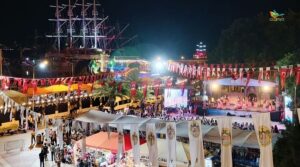
If you thought Alanya was just about beaches — think again. Behind those turquoise waters and sun-soaked promenades lies one of the most layered and fascinating historical destinations on the entire Turkish Riviera. Civilisations have been fighting over this dramatic rocky peninsula for over two millennia, and honestly, it’s not hard to see why. Because of its natural strategic position jutting into the Mediterranean below the Taurus Mountains, Alanya has served as a stronghold for some of history’s greatest empires — the Ptolemaic, Seleucid, Roman, Byzantine, and Ottoman — each leaving behind monuments, ruins, and stories that you can still touch and explore today.
From Ancient Stronghold to Seljuk Capital
The city we now know as Alanya has gone by many names over the centuries. The Greeks called it Korakesion, the Romans knew it as Coracesium, and it was here in 67 BC that the Roman general Pompey crushed the Mediterranean pirates who had been terrorising trade routes across the ancient world. But the city’s golden age came much later, in the 13th century, when Seljuk Sultan Alaeddin Keykubat seized the city, renamed it Alaiye after himself, and transformed it into a prosperous winter capital alongside Konya — leaving behind dockyards, castles, and palaces as proof of his grandeur. After the Seljuks, the city passed through the hands of the Karamanids, the Egyptian Mamluks, and finally the Ottomans in 1471. The name Alanya itself was given by Mustafa Kemal Atatürk in 1935, and the city was nominated for World Heritage status in 2000 and is listed on UNESCO’s Tentative List in the cultural heritage category.
Alanya’s Historical Highlights — What to Explore
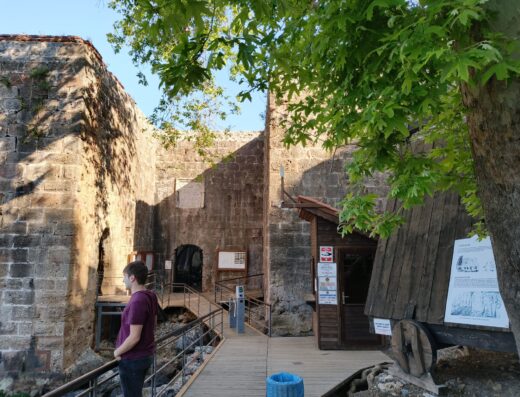
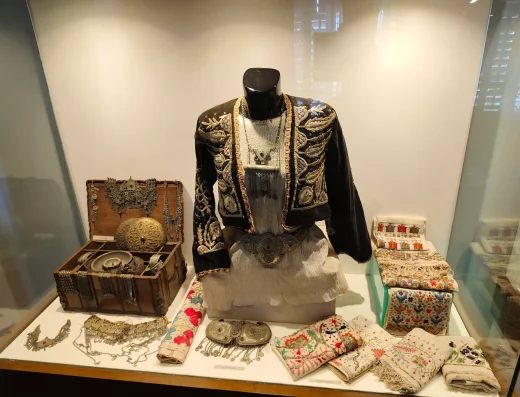
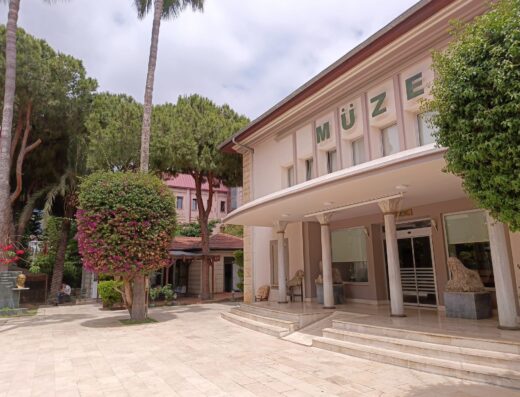
The sheer variety of historical sights here is what sets Alanya apart from other coastal resorts. At the top of the list, quite literally, is Alanya Castle — a vast Seljuk citadel crowning the peninsula that encloses the remnants of Hellenistic, Roman, Byzantine, Seljuk, and Ottoman dynasties all within a single set of walls. Down at the harbour, the iconic Red Tower (Kızılkule) stands guard just as it has since 1226, while the Tersane — the only surviving Seljuk shipyard in Turkey — offers a rare window into medieval maritime life. Venture beyond the city centre and you’ll find forgotten ancient cities scattered across the surrounding hills and valleys, from the clifftop ruins of Syedra to the well-preserved caravanserai of Alara Han. And if you want the full picture brought together in one place, Alanya’s museums are treasure troves — from the Archaeological Museum with its artefacts spanning the Bronze Age through to the Ottoman period and its famous Hercules Sarcophagus, to the atmospheric Atatürk House and the City Memory Centre.
Ready to Explore? Here’s Where to Start
We’ve broken down everything you need to know across three sections. Head to The Centre of Alanya for a deep dive into the castle, the Red Tower, the shipyard, and the historic harbour district — all within easy walking distance of each other. Browse Ancient Cities in Alanya to discover the Roman and Hellenistic ruins hiding in the mountains and valleys just outside town — some well-known, others wonderfully off the beaten track. And don’t miss Alanya Museums, where the region’s extraordinary history is brought to life through coins, statues, mosaics, and personal artefacts spanning more than two thousand years. History has never been this close to the beach.
Plan your historical route today
From the 'must see' to the local off-the-beaten track historical sights in Alanya.
FAQ or YAWA - You Asked, We Answered. (You Are Welcome)
Can I visit the castle, the Red Tower and the museum all in one day?
Technically yes — but we’d be doing you a disservice if we said it was easy. The castle alone can take a good three to four hours if you want to do it justice, and the climb (whether you take the cable car or walk up) will use up more energy than you might expect in the Alanya heat. A more enjoyable approach is to pair the Red Tower, Shipyard and the harbour area in the morning (they are all on the eastern side of the peninsula), then head up to the castle in the late afternoon when it’s cooler and the light is stunning. Save the Alanya Archaeological Museum for a separate day — or as a recovery activity after the castle, since it’s air-conditioned and blissfully flat. (The cable car to the castle and the Alanya Archeological Museum are both on the western side of the peninsula nor far from each other).
Do I need to speak Turkish to get the sights?
Not at all — but a little context goes a long way. The Red Tower and the Archaeological Museum both have English information panels, and the museum in particular does a solid job of telling the story of the region across the centuries. For the castle, we’d genuinely recommend downloading an audio guide app or picking up a small guidebook before you go, as the site is vast and the on-site signage is sparse in places. Knowing a bit of the Seljuk backstory before you walk through those gates makes the whole experience significantly richer — and that’s exactly what this section of our website is here for.
Is Syedra worth the trip if I only have a few days in Alanya?
If you’re the kind of traveller who gets a kick out of standing somewhere genuinely off the beaten track with a jaw-dropping view and almost no other tourists around — then absolutely yes. Syedra ancient city sits on a clifftop above the village of Seki, about 20 km from Alanya, and the ruins are dramatically set against the Taurus Mountains and the sea below. It’s not as well-signposted or as polished as the main sights in town, which is honestly half the appeal. Rent a car or take a taxi, bring water, snack and wear proper shoes — Syedra is for more adventurous visitor. Note that Syedra is situated on a mountain slope. Therefore its not suitable for visitors with lower mobility or small children.
Which sights are suitable for children — and will they actually enjoy them?
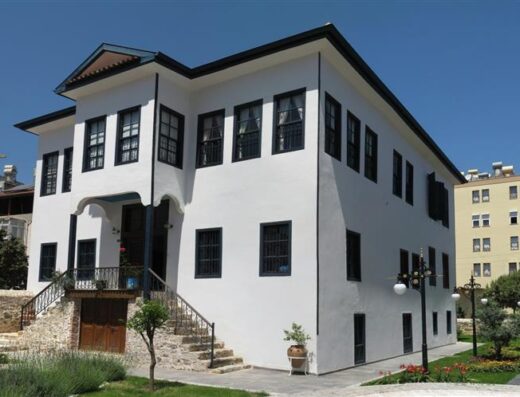
Honestly, it depends on the child — and on how you sell it to them. The castle is a genuine fortress with towers, secret passages, and sweeping walls to run along. Most of it is interwined with wild vegetation which tends to go down extremely well with younger visitors. If you are lucky you can see wild goats that still ocupy the outer slopes of the peninsula. The Red Tower’s five floors of medieval stairs are either a challenge or a mini-adventure in themselves. Although peeking over the top balustrade can give small heart attacks to overprotective mothers. The Archaeological Museum has some genuinely impressive artefacts, including the statue and story of Hercules that spark curiosity in kids who are into history and mytology. It also offers a nice surprise in form of a fish pond, cats and peacocks that live in the museum’s garden. Syedra, on the other hand, is a rougher and more remote site — it’s better suited to older children and teenagers who can handle uneven terrain and a bit of a hike. For all sites, bring snacks, water, sunscreen, and realistic expectations — and maybe promise ice cream at the harbour afterwards.
What Our Visitors Say
Leverage agile frameworks to provide a robust synopsis for high level overviews. Iterative approaches to corporate strategy foster collaborative thinking the overall proposition
Jack PadenRestaurant Owner
Capitalize on low hanging fruit to identify a ballpark value added activity to beta test. Override the digital divide with additional clickthroughs from nanotechnology
Tom BakerClothing Store Owner
Bring to the table win-win survival strategies to ensure proactive domination. At the end of the day, going forward, a new normal that has evolved from generation is on the runway
Jennie SmithCoffee Shop Owner
Latest on VisitAlanya Blog
What's going on in Alanya? Anything that can interest you before, during or after your holiday in Alanya. Keep in touch, stay updated and do not miss what's worth coming for.